Understanding smart-scale metrics and how to measure correctly
- A smart scale estimates body composition with bioelectrical impedance analysis (BIA); results are most useful as trends over time, not as a single reading.
- Three metrics to watch first: body fat percentage, muscle mass and visceral fat – they say more than weight and BMI.
- Measure correctly: same time each day, barefoot with dry feet, scale on a hard flat floor; skip the first 5 readings after moving it.
How does a smart scale measure?
When you stand barefoot on the scale, a tiny current you cannot feel passes through your body between the electrodes. Water and muscle conduct electricity well, fat poorly. From the measured resistance and the height, age and sex you enter, the scale estimates your body composition. Because it is an estimate, results can vary with your body water, which is why trends matter most.
Common metrics
| Metric | What it means |
|---|---|
| Weight | Total body mass, including fat, muscle, bone and water. |
| BMI | Weight divided by height squared; it cannot tell muscle from fat. |
| Body fat | Fat mass as a percentage of body weight. |
| Visceral fat | Fat around the organs in the abdomen; a falling trend is the goal. |
| Subcutaneous fat | The fat layer just under the skin. |
| Muscle mass | Mass of your muscles; rises with regular strength training. |
| Bone mass | Estimated mineral mass of your bones. |
| Body water | Percentage of water in the body; changes with drinking and activity. |
| BMR | The minimum energy your body needs at rest in a day. |
| Protein | Proportion of protein in the body, linked to muscle. |
| Body age | An estimate based on your body composition compared with your real age. |
Why weight alone is not enough
Two people with the same weight and height can have very different body fat. When you train, your weight may stay the same while fat falls and muscle rises. Tracking body fat and muscle mass shows progress the weight number hides.
6 tips for consistent readings
- Place the scale on a hard, flat floor, not on a rug.
- Skip the first 5 readings after unboxing or moving the scale.
- Stand barefoot with dry feet, covering the electrodes.
- Measure at the same time every day, for example in the morning after the bathroom and before eating.
- Avoid measuring right after hard exercise, a hot shower or drinking a lot, as body water changes.
- Enter your correct height, age and sex in the app; one account per person.
Pick a scale by the metrics you need
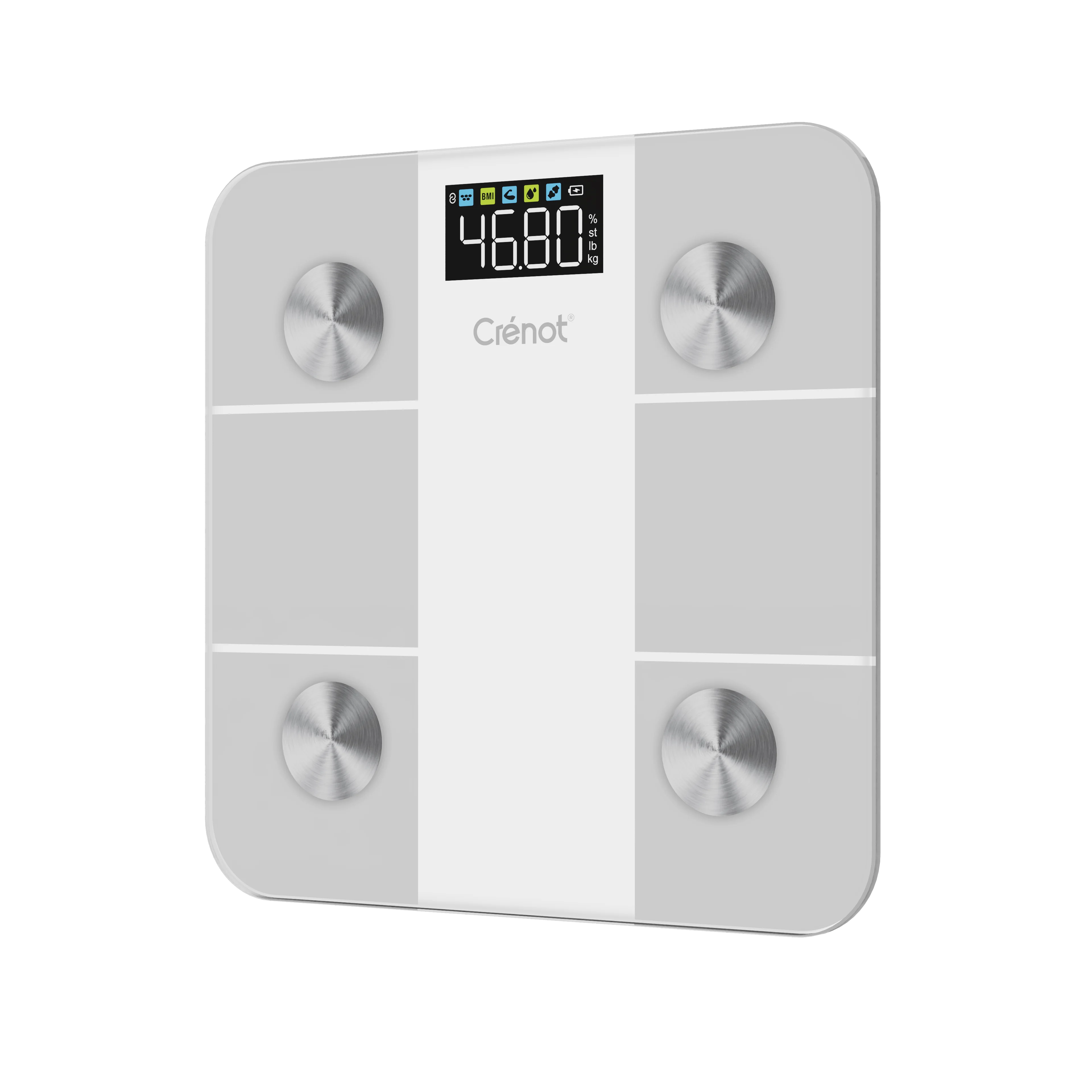
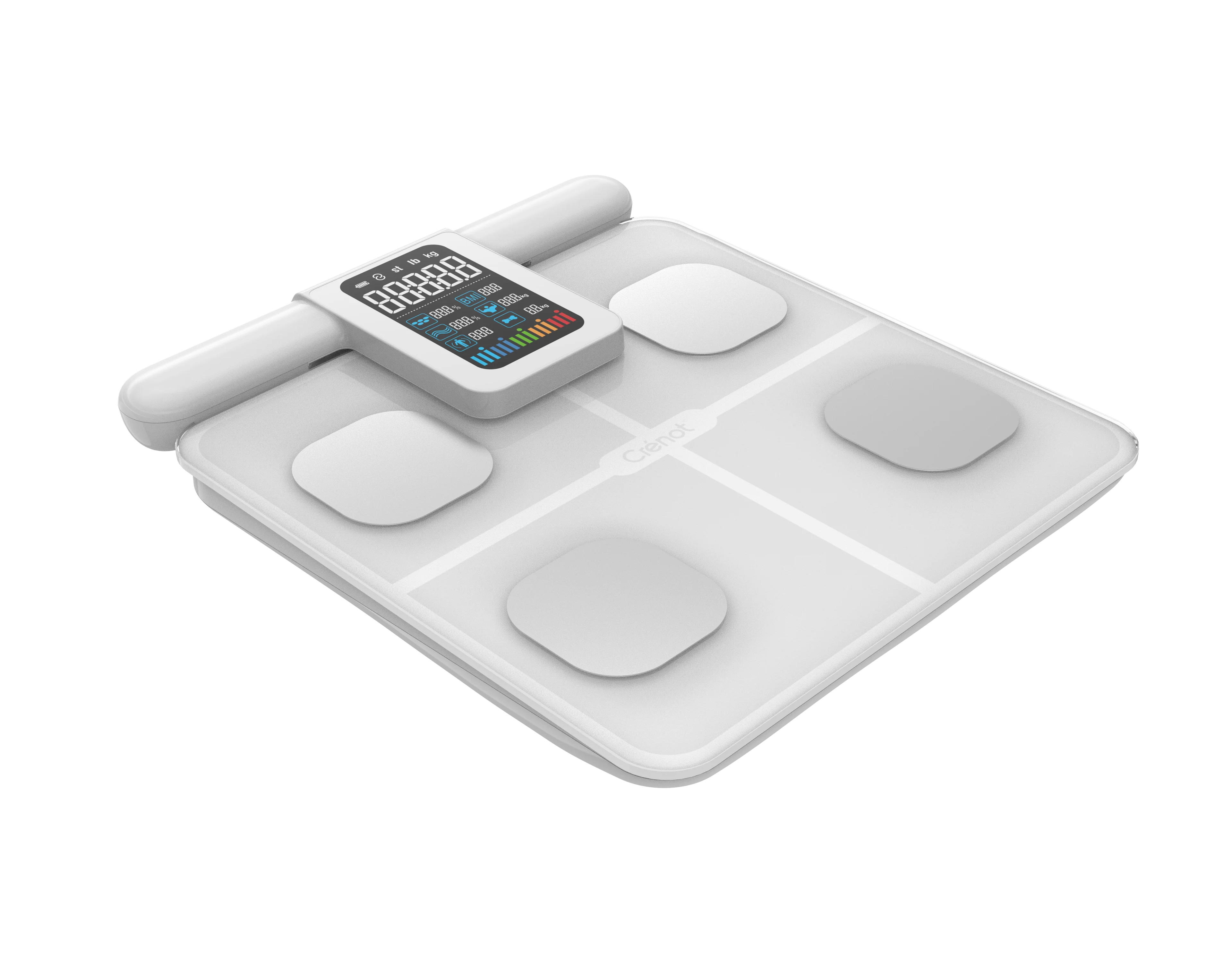
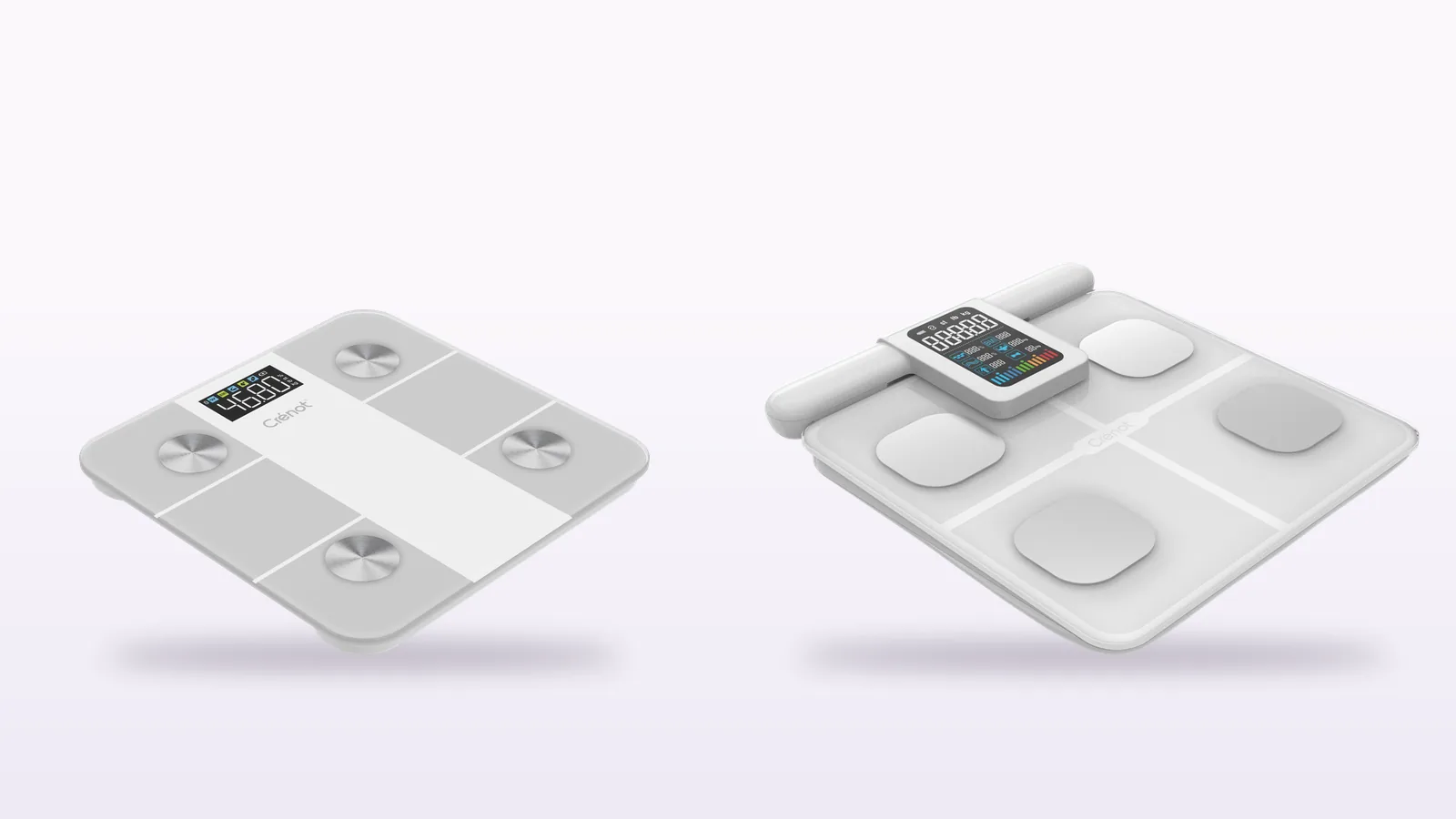
Gofit S2 shows 6 metrics on its display and measures 15 in the app; Gofit X6 Pro measures 17 and shows 8 plus heart rate on a colour display; inBody i8 uses 8 electrodes to analyse 31 metrics and each body segment.
Impedance scales are not for people with implanted devices such as a pacemaker, and pregnant women should not measure body composition. The metrics are for tracking and do not replace a diagnosis from a doctor.
Frequently Asked Questions
Why are morning and evening readings different?
Your body water changes during the day with food, drink and activity, which affects BIA results. Measure at the same time each day for accurate comparisons.
Can children see their body fat?
With Gofit S2, children under 6 see weight only, and children under 10 see weight and BMI.
How often should I measure?
Daily or a few times a week at the same time, then look at weekly and monthly trends in the app.